




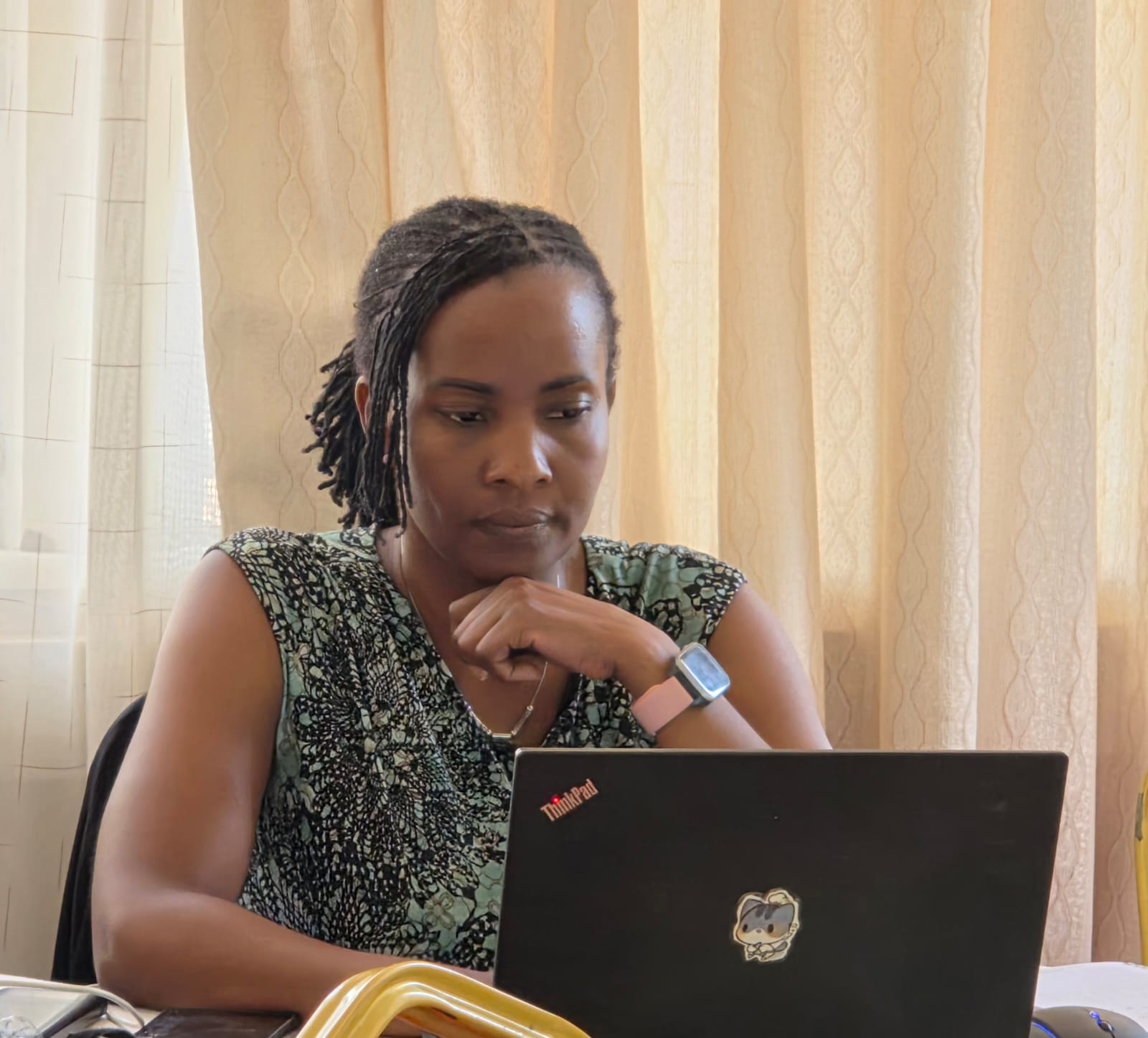
KEWASIP validates project website and electronic grievance redress mechanism to enhance transparency and public access to information.
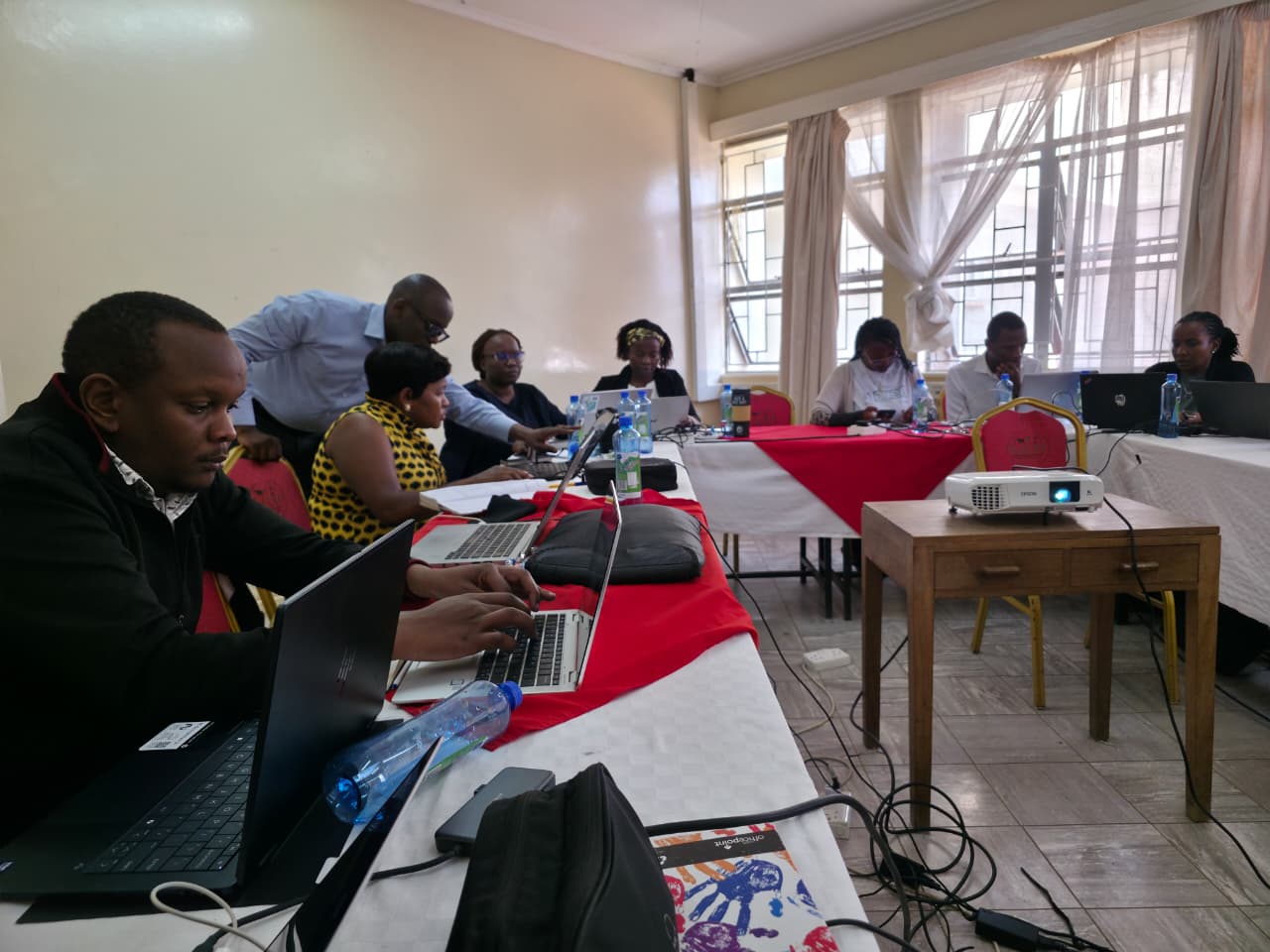
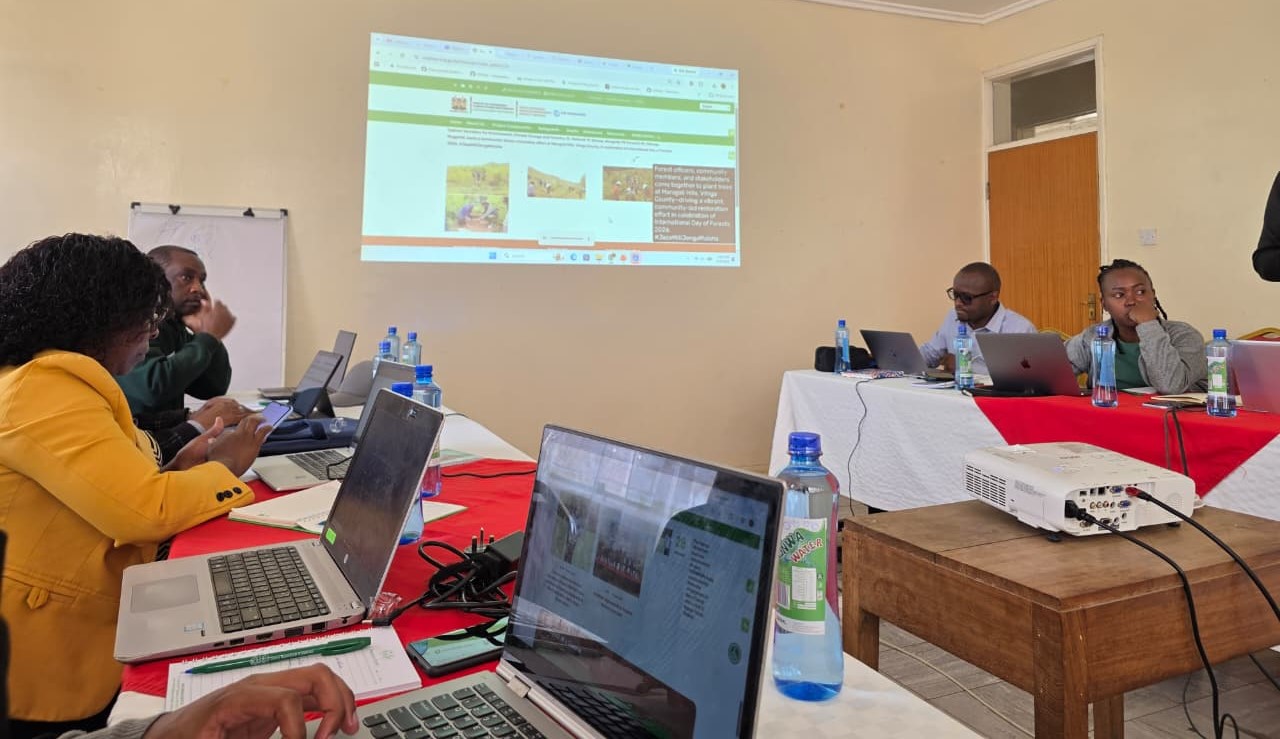
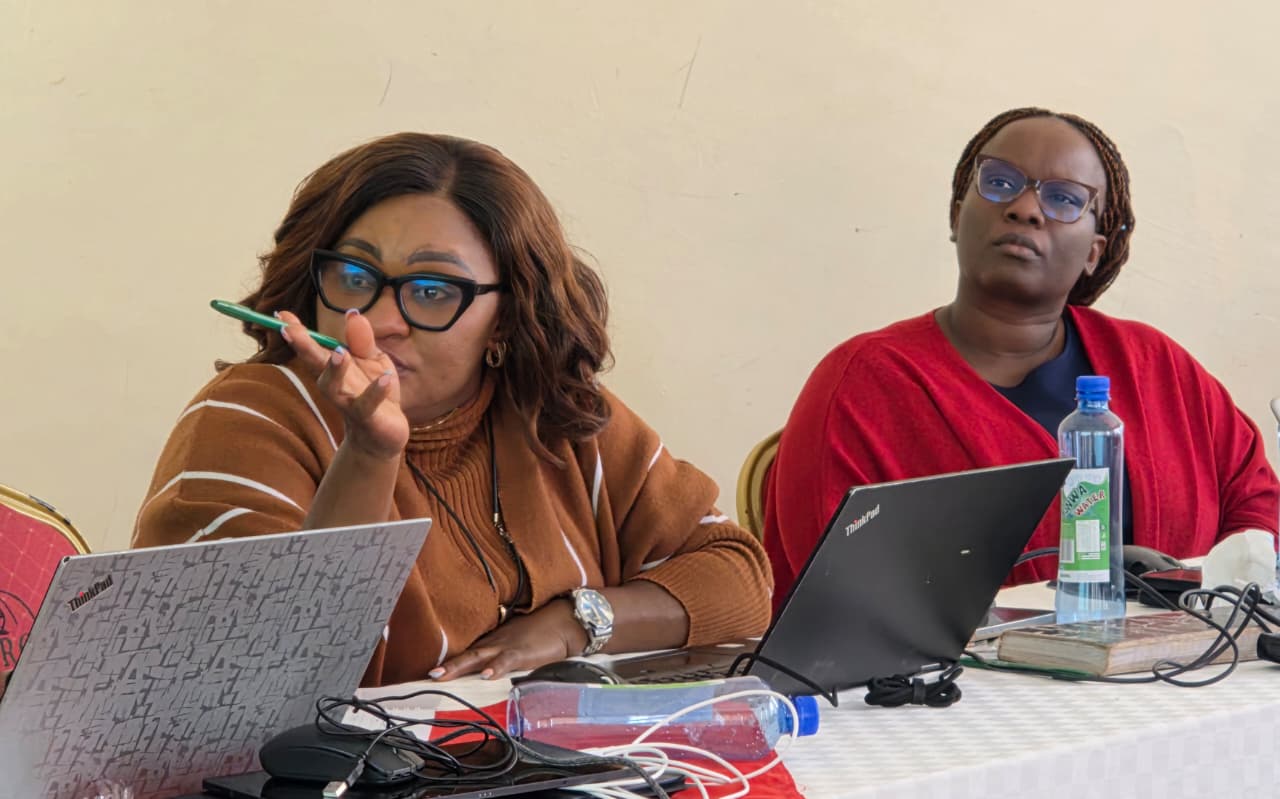
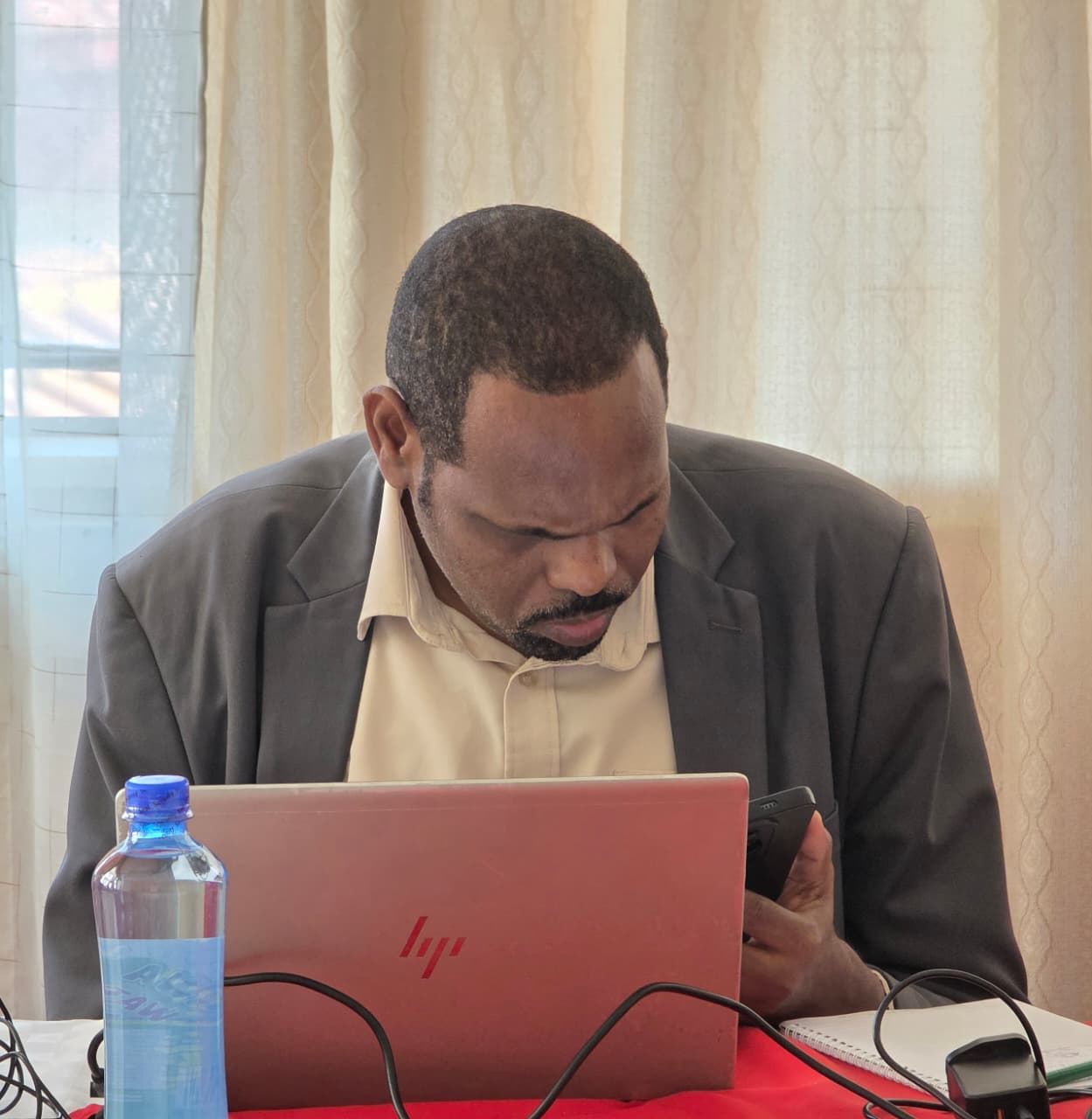
The National Project Coordination Unit (NPCU) of the Kenya Watershed Services Improvement Project (KEWASIP) has convened a technical validation workshop at the Kenya Agricultural and Livestock Research Organization (KALRO) in Naivasha to review and validate the project's official website and the Electronic Grievance Redress Mechanism (eGRM) module.
The workshop brought together Information Technology Officers from the State Department For Forestry, ICT Authority, and Grievance Redress Mechanism (GRM) focal persons from the National Implementing Entities to assess the functionality, usability, and effectiveness of the two digital platforms before they are rolled out for public use across the project's 12 implementing counties.
As a World Bank-financed project, KEWASIP recognizes timely access to information is essential for promoting transparency, accountability, and stakeholder engagement, which are fundamental to transparent, accountable, and inclusive project implementation.
The validation exercise represents a key milestone in strengthening digital governance and ensuring that stakeholders have reliable access to project information and grievance redress services.
The KEWASIP website is being developed as the project's central digital information hub, providing stakeholders with easy access to project updates, news, publications, procurement notices, reports, success stories, communication materials, and implementation progress.
The platform will strengthen knowledge sharing while fulfilling the constitutional right of access to information as provided under Article 35 of the Constitution of Kenya.
This right is further reinforced by the Access to Information Act and oversight by the Office of the Commission on Administrative Justice (Office of the Ombudsman), which promotes openness and accountability in public institutions.
In addition to the website, the project has developed an Electronic Grievance Redress Mechanism (eGRM) module that provides a secure, transparent, and efficient digital platform for receiving, registering, tracking, managing, and resolving grievances submitted by project beneficiaries and other stakeholders throughout the project lifecycle.
The eGRM enables users to lodge complaints online through user-friendly digital forms, receive unique tracking numbers, monitor the status of their submissions in real time, and receive automated notifications at every stage of the grievance resolution process.
Complaints that remain unresolved within prescribed timelines are automatically escalated to higher authorities for action, ensuring accountability and timely resolution.
Recognizing the need for survivor-centred grievance management, the system also incorporates a confidential reporting channel for Sexual Exploitation and Abuse and Sexual Harassment (SEA/SH) cases, allowing survivors to report incidents confidentially, including anonymously where necessary to safeguard their privacy, dignity, and safety while ensuring appropriate referral and response mechanisms are activated.
Once grievances have been addressed, complainants will have an opportunity to provide feedback on the resolution process, helping the project continually improve service delivery and strengthen stakeholder confidence.
Speaking during the validation workshop, participants emphasized that the website and eGRM will play a critical role in strengthening communication, improving transparency, and fostering meaningful engagement between the project and its stakeholders.
Upon completion of the validation process, the two platforms will be launched for use across all KEWASIP implementation areas.
The website will serve as the primary source of project information, while the eGRM will provide beneficiaries, development partners, implementing agencies, and members of the public with a reliable, accessible, and transparent channel for submitting grievances and receiving timely feedback.
The initiative marks another important milestone in KEWASIP's commitment to accountable project implementation, effective stakeholder engagement, and the adoption of digital solutions that enhance service delivery while ensuring that no voice goes unheard throughout the project's implementation.