
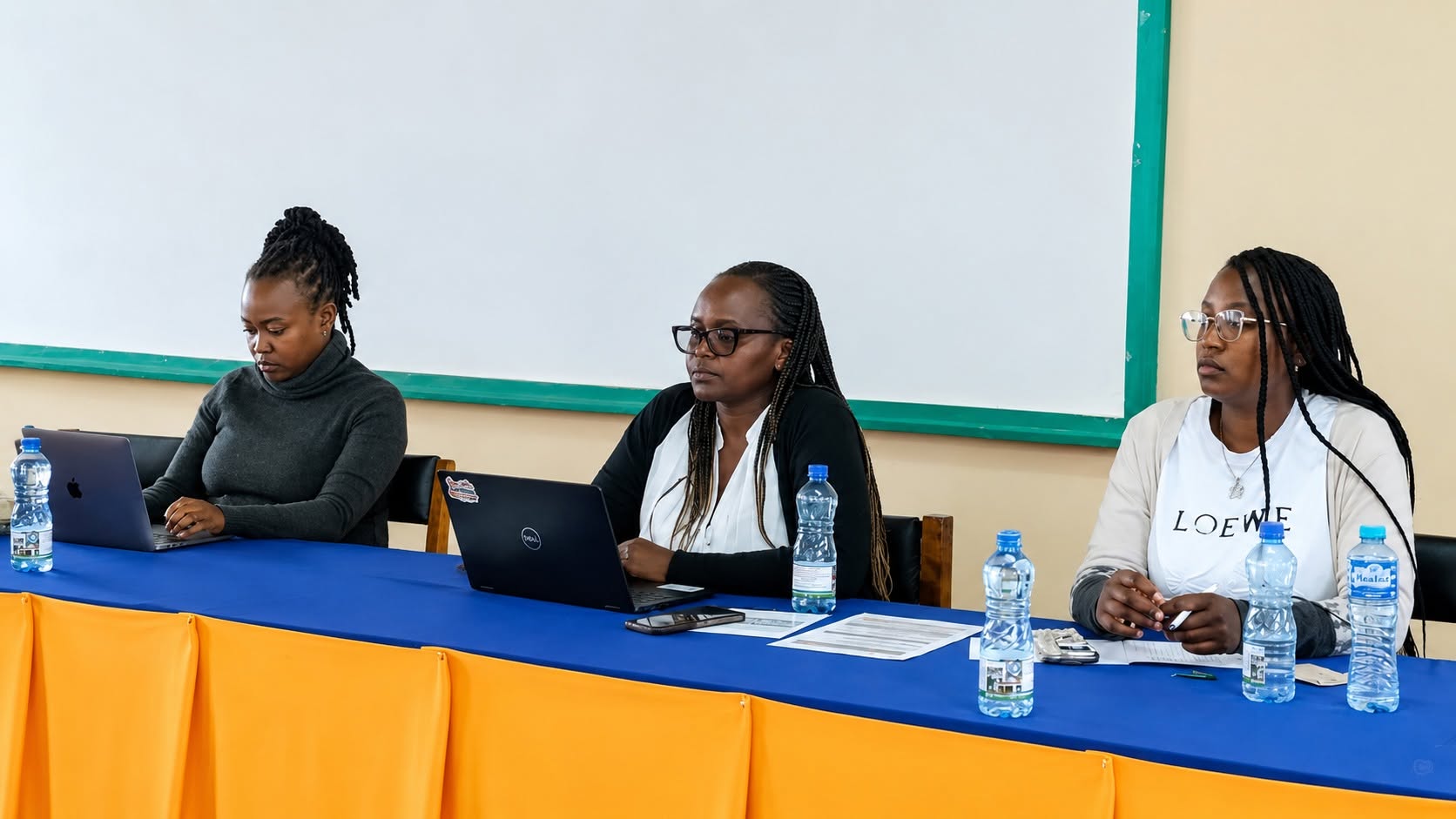
KEWASIP stakeholders convene in Machakos to finalize community grants manual following countywide consultations
Kenya Watershed Services Improvement Project (KEWASIP) has convened a four-day stakeholder workshop in Machakos to finalize the Community Grants Manual. This key implementation tool will guide the delivery of community grants across the project's 12 implementing counties.
The workshop, taking place from 28th to 31st July 2026 at the Machakos Technical Institute for the Blind, brings together representatives from the State Department for Forestry, implementing entities, technical experts, and project stakeholders to consolidate and harmonize recommendations gathered during a series of county-level validation workshops.
The meeting marks a significant milestone in the operationalization of KEWASIP's Community Grants Mechanism, which is designed to empower communities to actively participate in landscape restoration, watershed conservation, and climate-resilient livelihood improvement.
The Community Grants Mechanism is one of the project's flagship interventions and will contribute directly to KEWASIP's development objective of expanding sustainable land and watershed management while improving livelihoods in targeted project areas.
Through the mechanism, Common Interest Groups (CIGs), Minorities and Marginalized Groups (MMGs), and Marginalized Communities (MCs) will access grant financing to implement locally driven investments that promote sustainable land and water management.
KEWASIP has allocated approximately KES 3.287 billion (EUR 22 million) for the Community Grants Mechanism over the project's five-year implementation period, underscoring the project's commitment to community-led landscape restoration and inclusive rural development.
The Community Grants Manual provides a comprehensive framework outlining the processes, procedures, and institutional responsibilities for planning, managing, implementing, monitoring, and reporting on community grants.
It serves as a practical guide for the lead agency, implementing entities, communities, and other stakeholders to ensure grants are administered efficiently, transparently, and accountably.
Recognizing the important role of inclusive development, the manual further provides for special consideration of proposals submitted by women and youth, ensuring these groups have greater opportunities to benefit from KEWASIP investments and contribute meaningfully to sustainable landscape restoration and improved livelihoods.
The finalization workshop builds on extensive consultations conducted across all 12 project counties, where county governments, implementing partners, community representatives, and other stakeholders reviewed the draft manual and provided recommendations to strengthen its relevance, practicality, and responsiveness to local needs.
Once finalized, the Community Grants Manual will guide the rollout of community grant investments across KEWASIP project areas, providing communities with the resources and institutional framework needed to implement sustainable natural resource management initiatives while enhancing livelihoods and building resilience to climate change.